
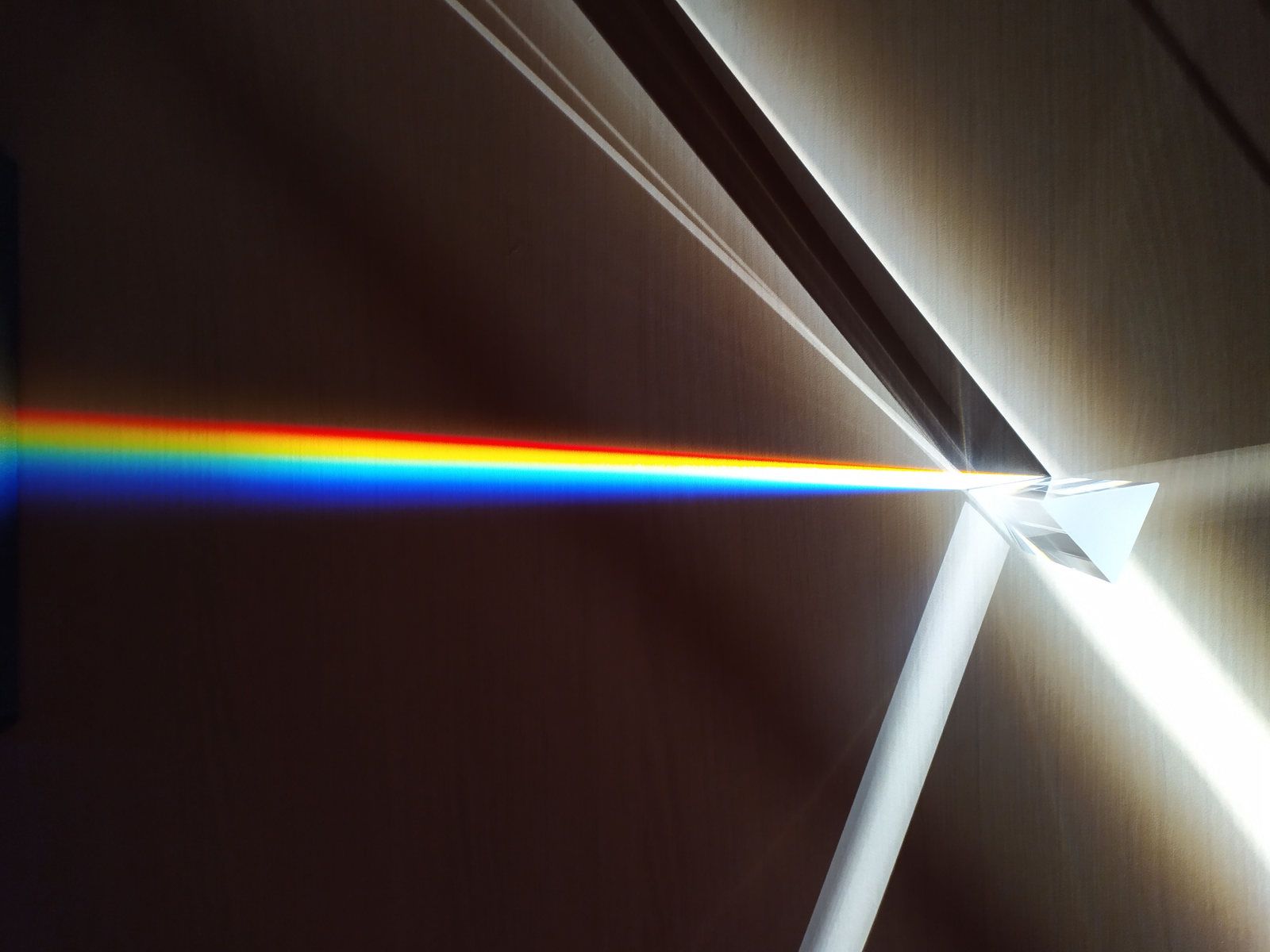
Light & color4 min read
Where does color come from?
From wavelengths to the world we experience.
Explore the story(opens in a new tab)A red apple. A blue sky. A thousand shades in between.Discover how our eyes create color—and why we don’t all see it alike.
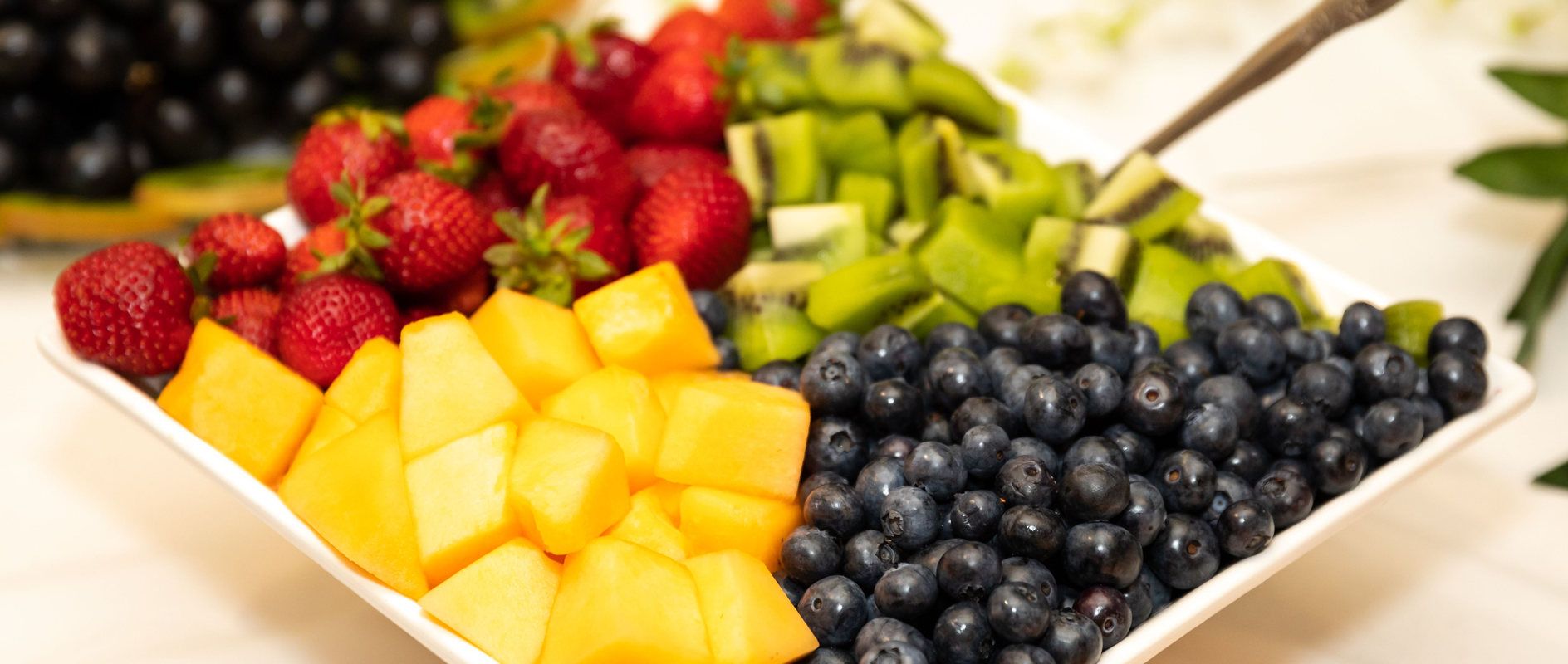
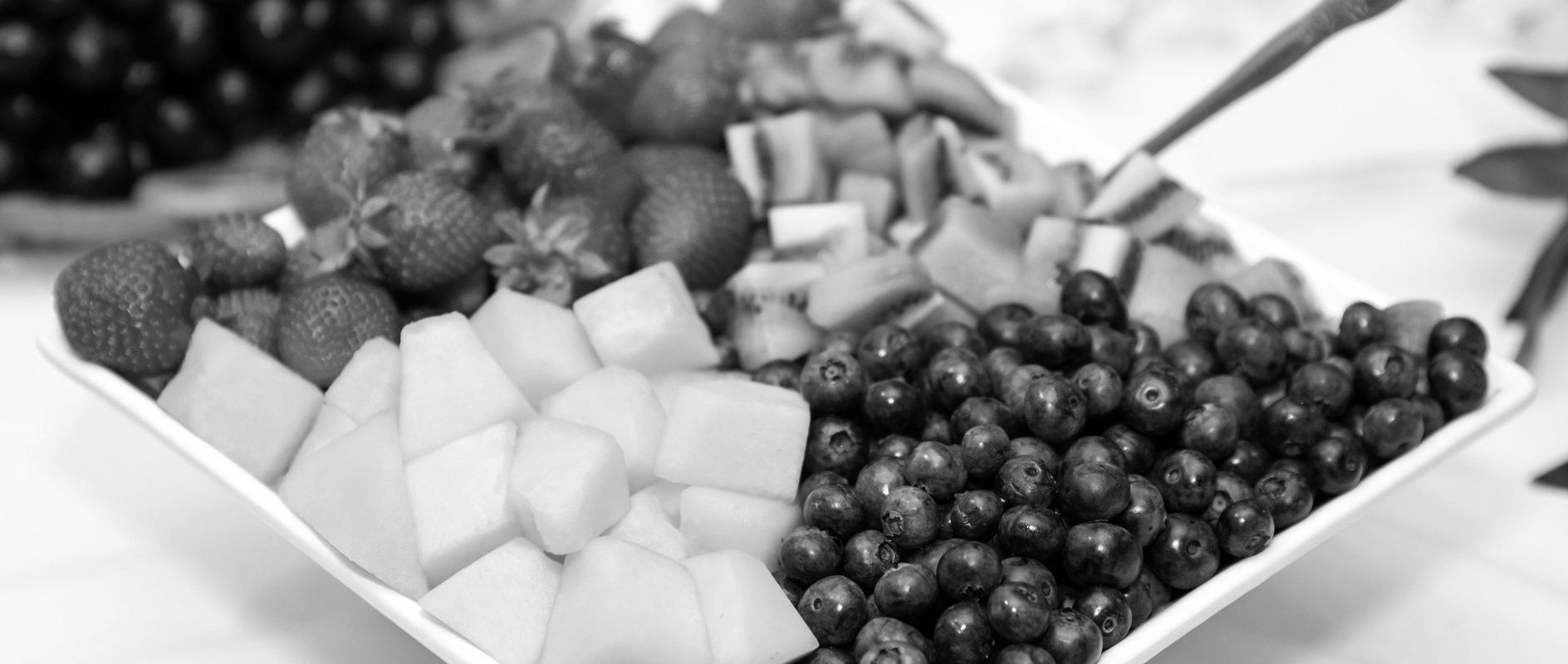
One scene. A different set of signals.
Drag to compare
Illustrative monochrome preview. Achromatopsia can also affect acuity and light sensitivity; those effects are not shown.
Featured experiences
Start with typical color vision. Then notice which colors move closer together in each approximation.
Typical trichromacy
Explore the baselineReference palette
Three cone classes (L, M, S) work together to distinguish a broad range of colors.
L-cone function absent
Explore protanopiaApproximate palette shift
Red and green can be hard to tell apart.
M-cone function absent
Explore deuteranopiaApproximate palette shift
Red–green distinctions are reduced.
S-cone function absent
Explore tritanopiaApproximate palette shift
Some blues and greens, and yellows and pinks, become harder to separate.
Little or no color discrimination
Explore achromatopsiaApproximate palette shift
In complete achromatopsia, light and dark replace distinctions in hue in this preview.
These are starting points, not five fixed ways of seeing. Color vision varies within and beyond these categories.
Schematic palettes · full dichromacy approximations, not a vision test.
The science of seeing
Color depends on the light that reaches the eye, the cones in the retina and how the eye–brain system compares what they sense.
Objects absorb and reflect wavelengths differently.Different light sources send different wavelengths to your eyes.
S, M and L cones have overlapping sensitivities.Different hues come from combinations of the three cone signals.
The eye and brain compare signals across the scene,including an object’s surroundings, to judge its color.
Three cone types. One color experience.
Normalized human cone fundamentals (Judd–Vos table), shown as relative sensitivity. Not a measurement of your own eyes.
In anomalous trichromacy, one of the three cone types has altered sensitivity.It is the most common type of inherited color vision deficiency.
Try a little experiment
Do the two center squares look different?They are exactly the same muted violet.
This is simultaneous color contrast. A colorcan appear to change because of thebackground that surrounds it.
Your display and surroundings can influence the effect.
Related discoveries
Follow your curiosity beyond the spectrum.
Light & color4 min read
From wavelengths to the world we experience.
Explore the story(opens in a new tab)Animal vision5 min read
A different kind of color world.
Read the story(opens in a new tab)
Light & nature4 min read
Follow light beneath the surface.
Read the story(opens in a new tab)
A lens for learning
Educational only. Not a diagnostic test or medical advice.For concerns about your vision, speak with an eye-care professional.
Palette shifts use full-dichromacy models from Viénot, Brettel & Mollon (1999) and Brettel, Viénot & Mollon (1997).They illustrate modeled color confusions,not the complete experience of living with a visual condition.
Display gamut, calibration, lighting and your own vision affect theresult. Individual experience varies. Monochrome alone cannotrepresent the light sensitivity or reduced acuity of achromatopsia.
Research context: Viénot et al., 1999 · Digital video colourmaps for checking the legibility of displays by dichromats
Your next perspective
Compare a familiar image. Notice what color makes possible.
Choose a view. Move the comparison.