
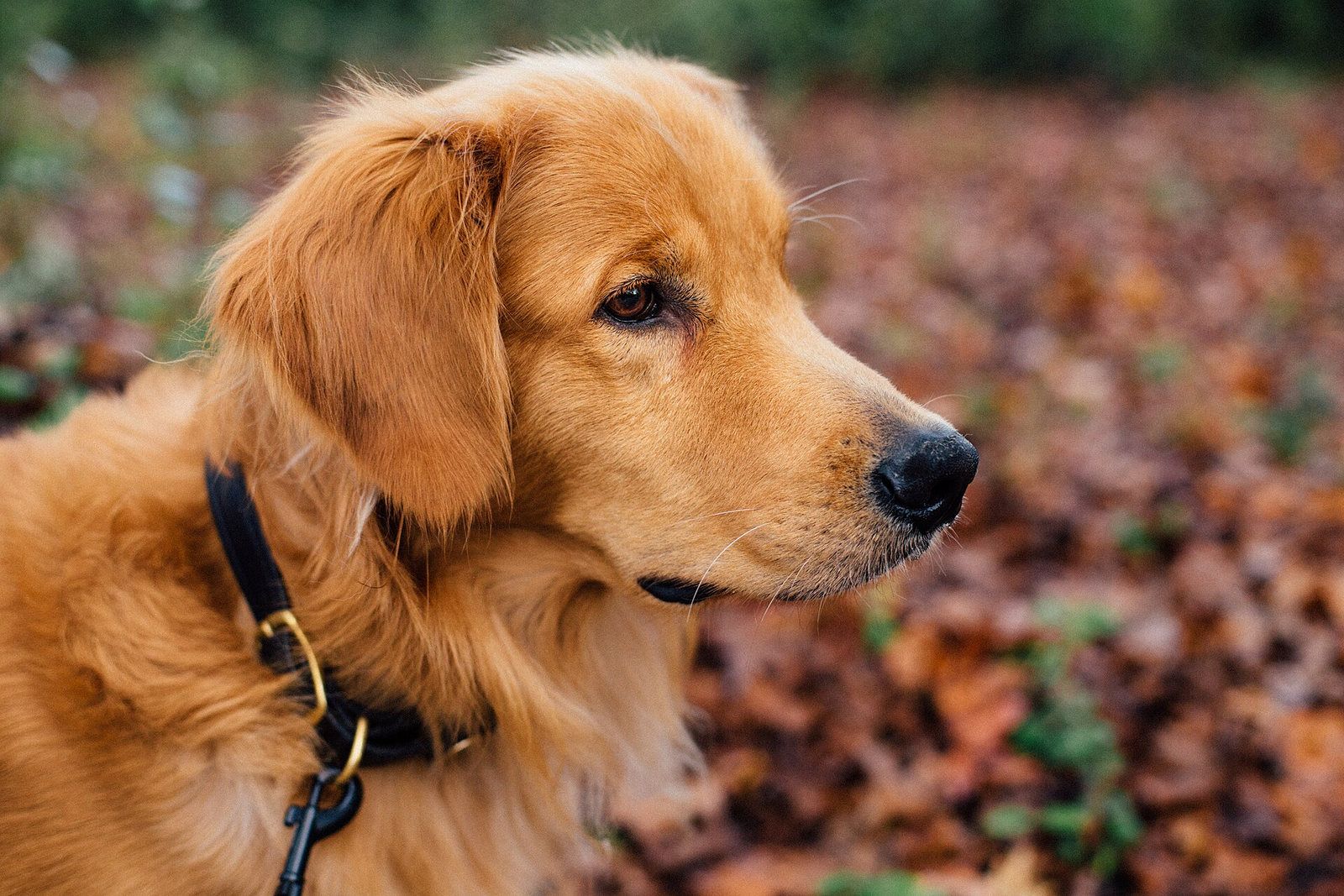
Dog vision
Less red and green. More to notice.
Explore a familiar scene through a blue–yellow palette, then discover what color alone cannot tell us.
The same light. A different reality. Discover how animals find color, movement and meaning in the world we share.
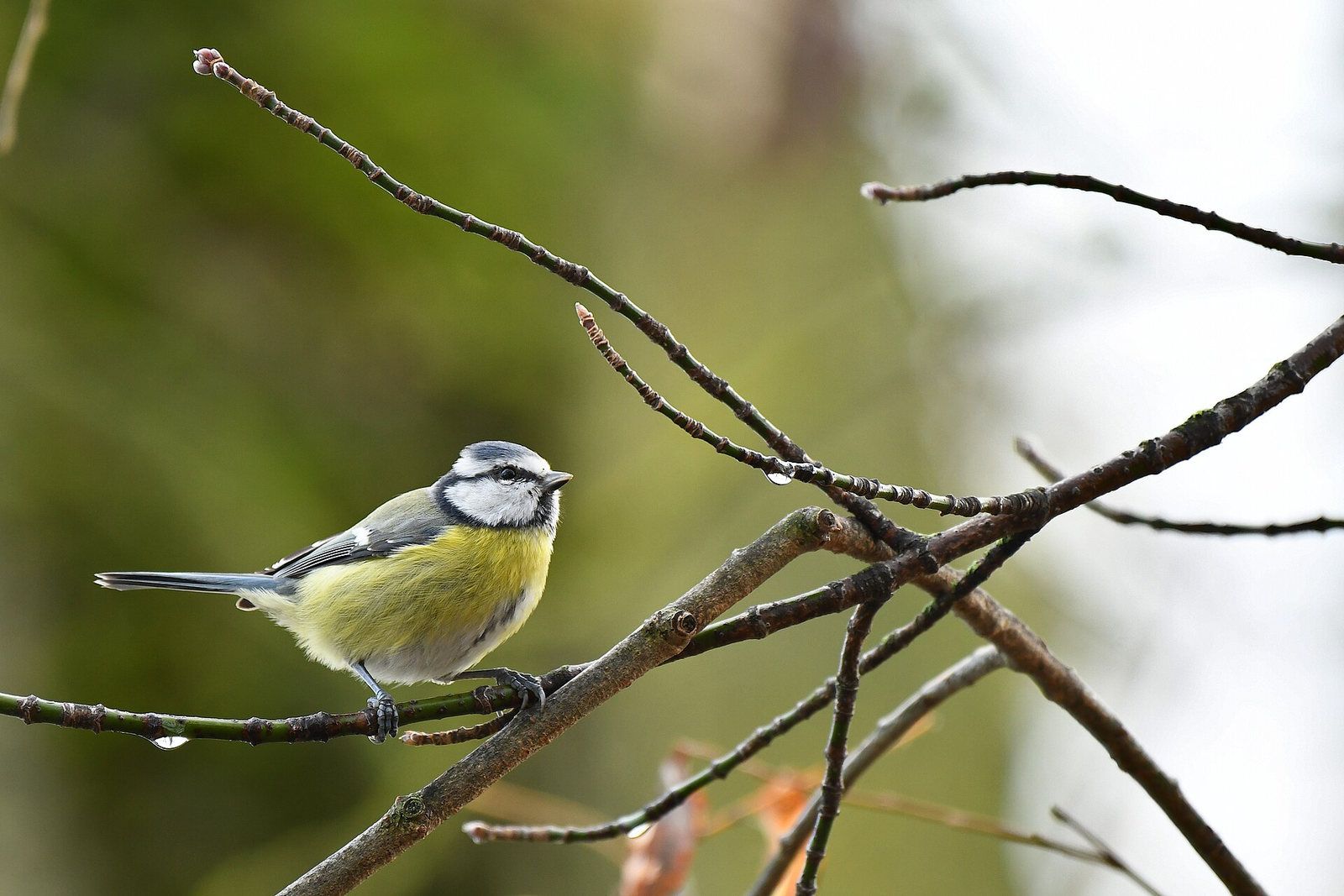
Animal vision
Not better. Not worse. Perfectly different.
Featured experiences
Look closer at the animals closest to us.
Less red and green. More to notice.
Explore a familiar scene through a blue–yellow palette, then discover what color alone cannot tell us.
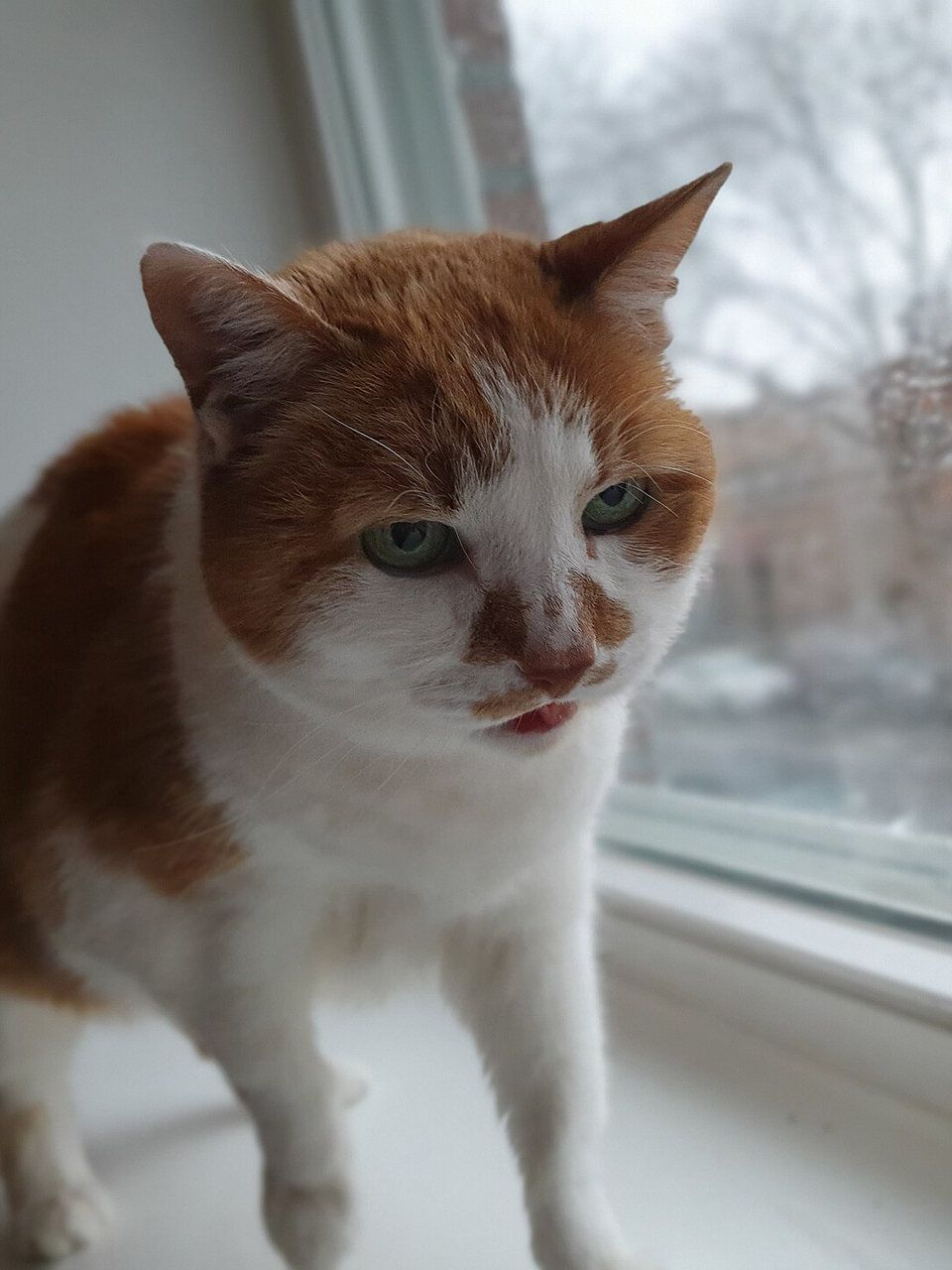
A world tuned for low light.
Discover the adaptations behind a cat’s low-light sight.
Cat vision simulator available now.
The species field guide
Follow your curiosity, from the treetops to the reef.
Beyond our spectrum
Some birds detect ultraviolet light invisible to us.
Simulator coming soon
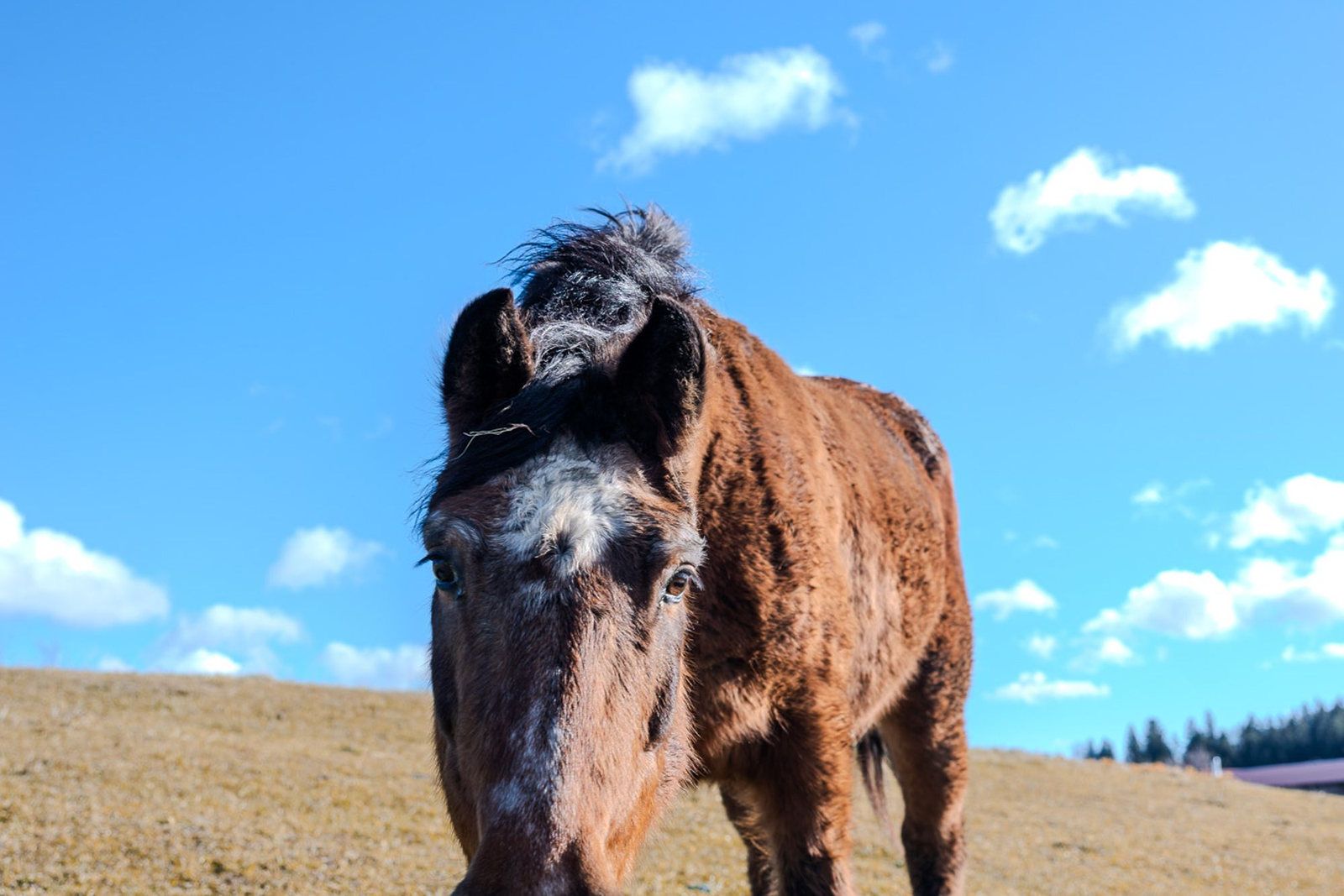
A wider world
Side-set eyes reveal more of the world around them.
Simulator coming soon
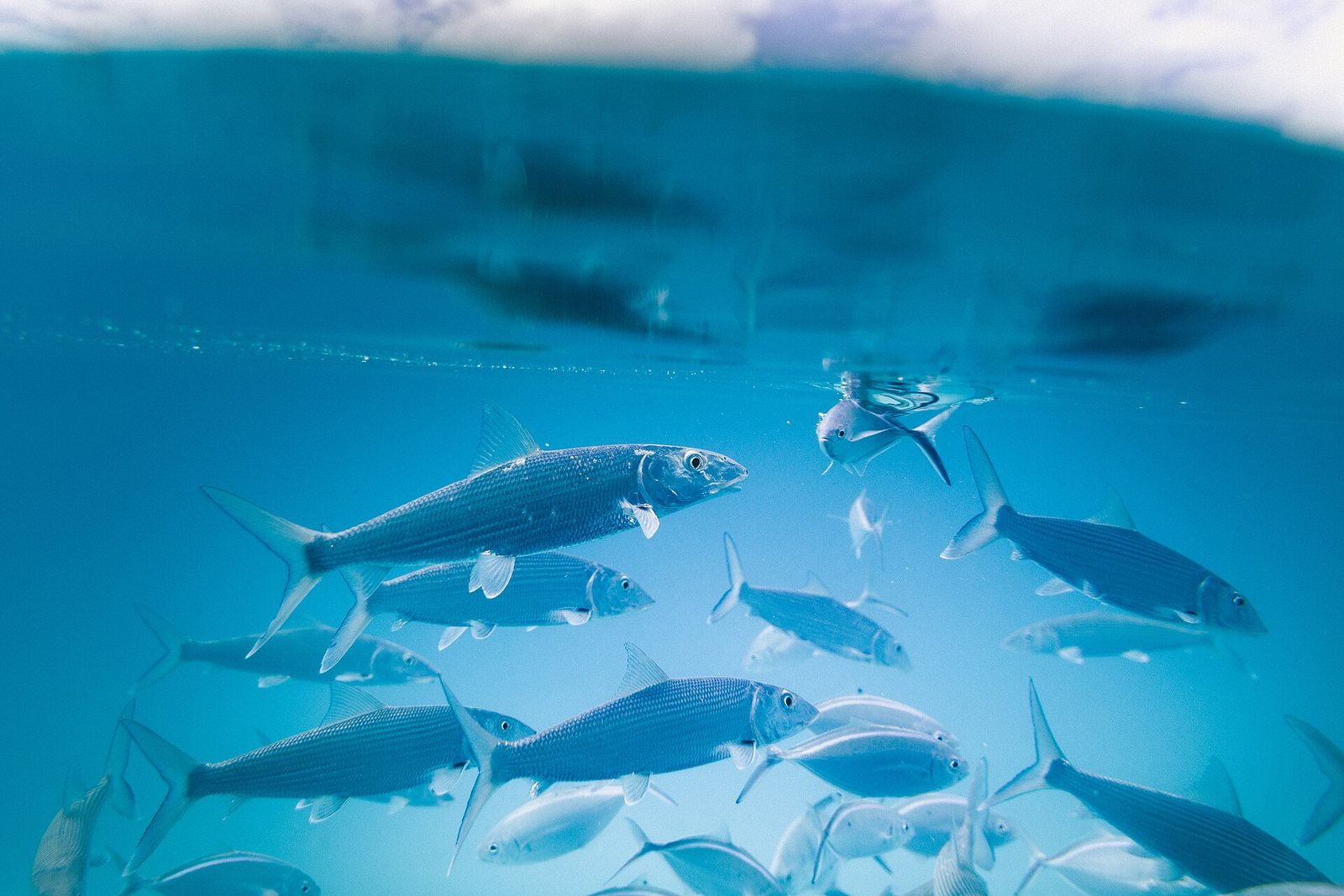
Life through water
Depth changes the light that reaches an eye.
Simulator coming soon
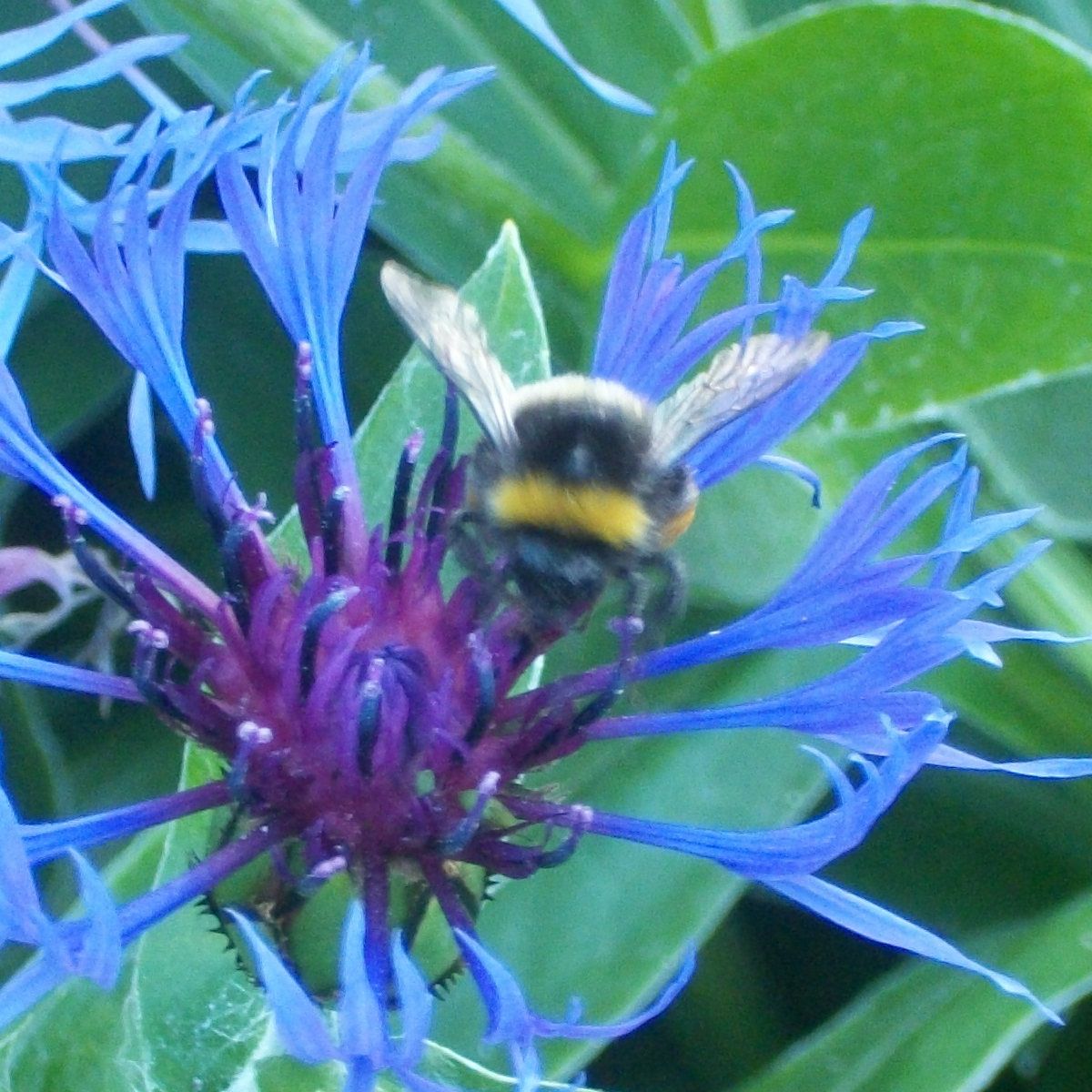
Small eyes. New signals.
Ultraviolet patterns on flowers can guide pollinators to a reward.
Simulator coming soon
Dog and cat simulators are available now. More perspectives are on the horizon.
The science of seeing
Vision is shaped by what an animal needs to do: find food, follow movement, avoid danger or navigate the dark.
It isn’t one filter. It’s a whole visual system.
Explore the science of perceptionA different kind of advantage
Each visual system reflects a way of life.The useful question is: best for what?
Different cone cells respond to different wavelengths. Dogs have two cone types; humans usually have three.
Rod cells help eyes work in dim light. In cats, a reflective tapetum sends light back through the retina.
The position of the eyes changes what is visible at once. A horse’s wide view trades off with blind spots.
Collecting light for longer helps an eye detect still objects, but moving objects can become blurred.
Patterns vary across species, habitats and individuals. These are starting points, not universal rules.
Compare perspectives
Start with color. Then look beyond it.
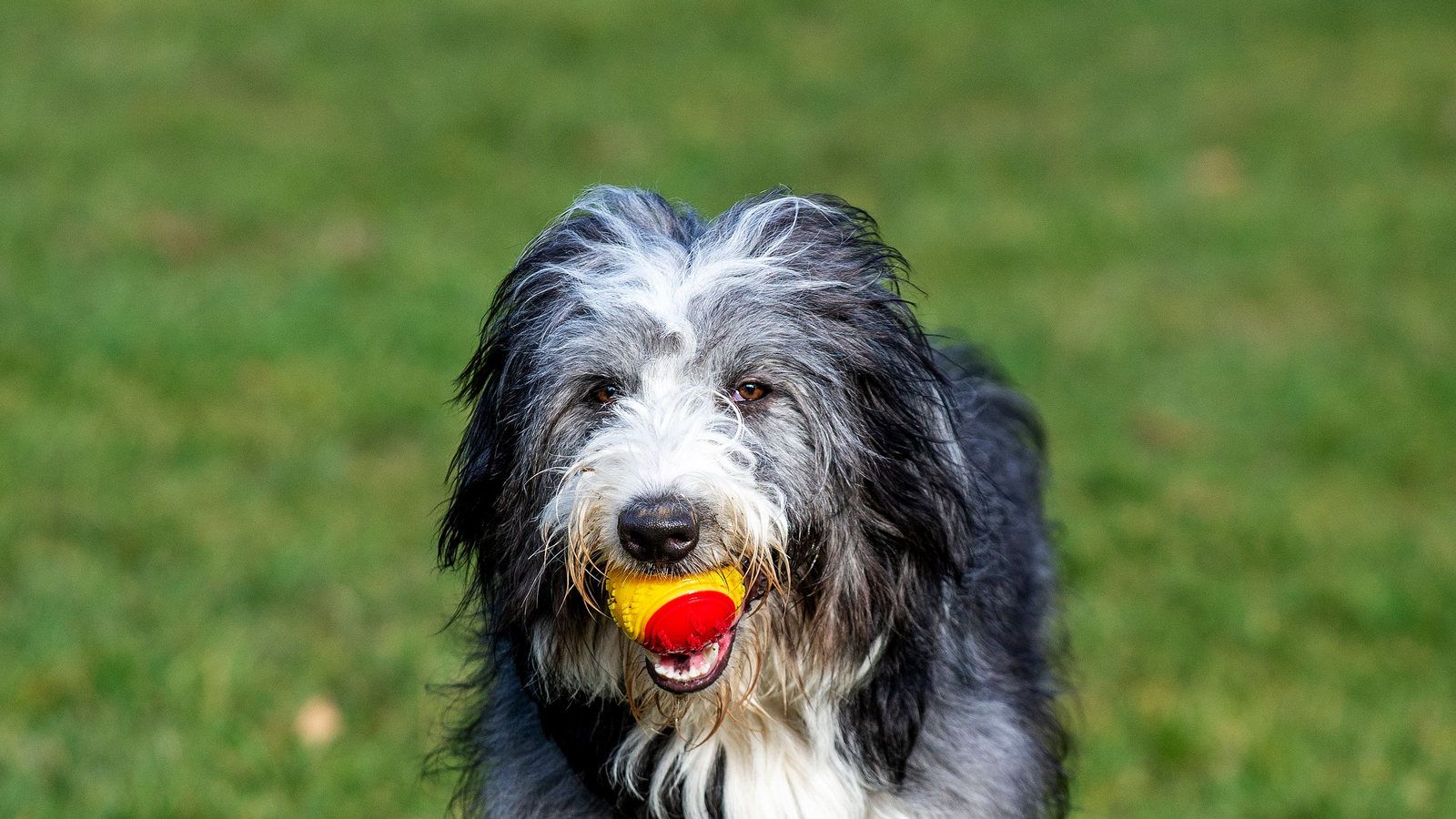
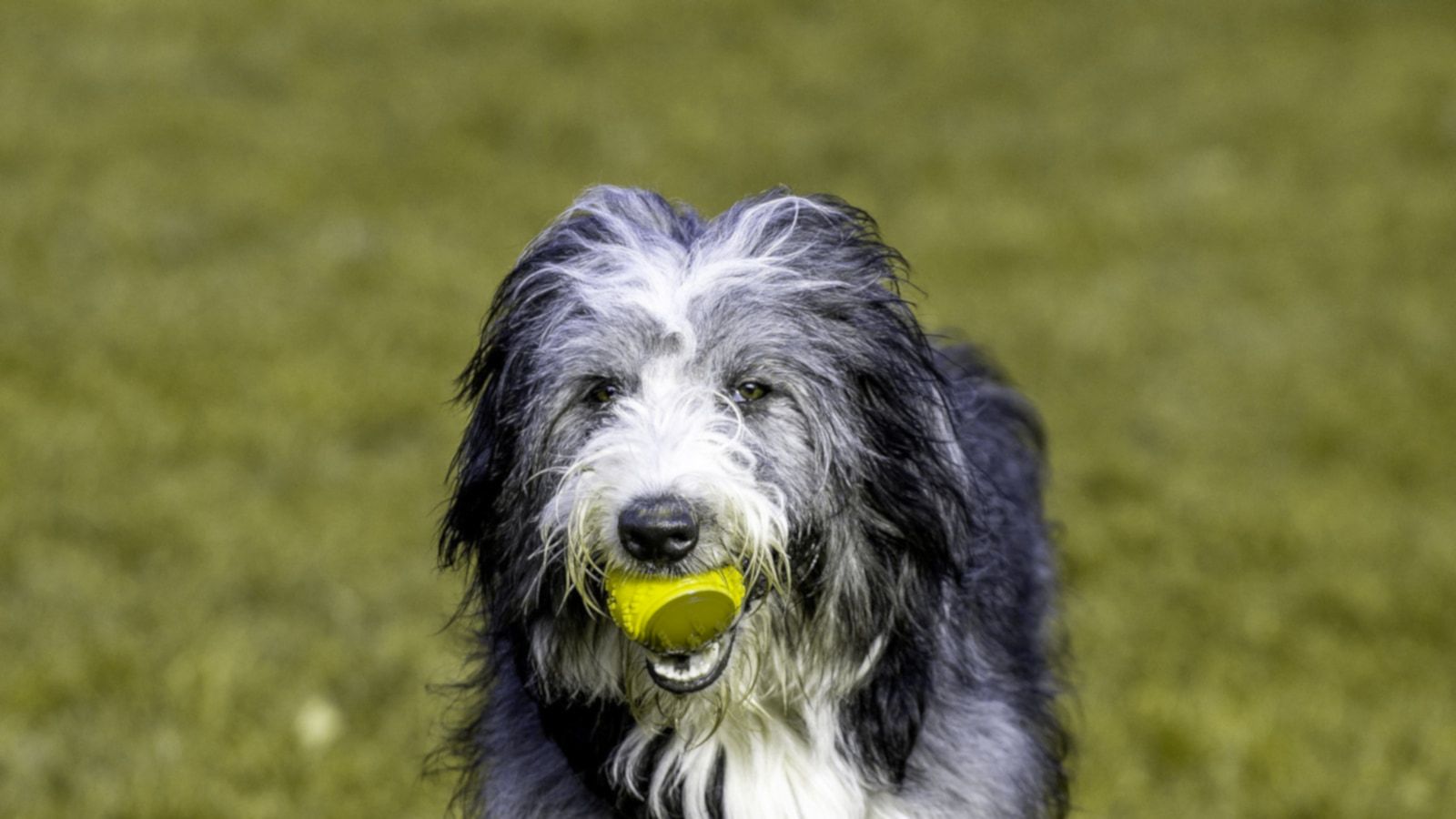
Illustrative color preview only. Detail, motion, depth and low-light vision are not reproduced here.
Dogs & humans
Dogs distinguish a different range of colors.Their world is not simply black and white.
Cats & humans
A reflective layer helps cats use dim light.Humans generally resolve finer visual detail.
Horses & humans
Side-set eyes widen the view; forward-facinghuman eyes give more binocular overlap.
Field notes
Follow the questions behind what you see.
01 / Invisible signalsAnimal vision
How ultraviolet patterns can guide a pollinator to a floral reward.
Discover the hidden signals(opens in a new tab)02 / Color perception
Not a gray world: red and green look more alike.
Read the story(opens in a new tab)03 / Light & habitat
Follow light beneath the surface.
Explore the science(opens in a new tab)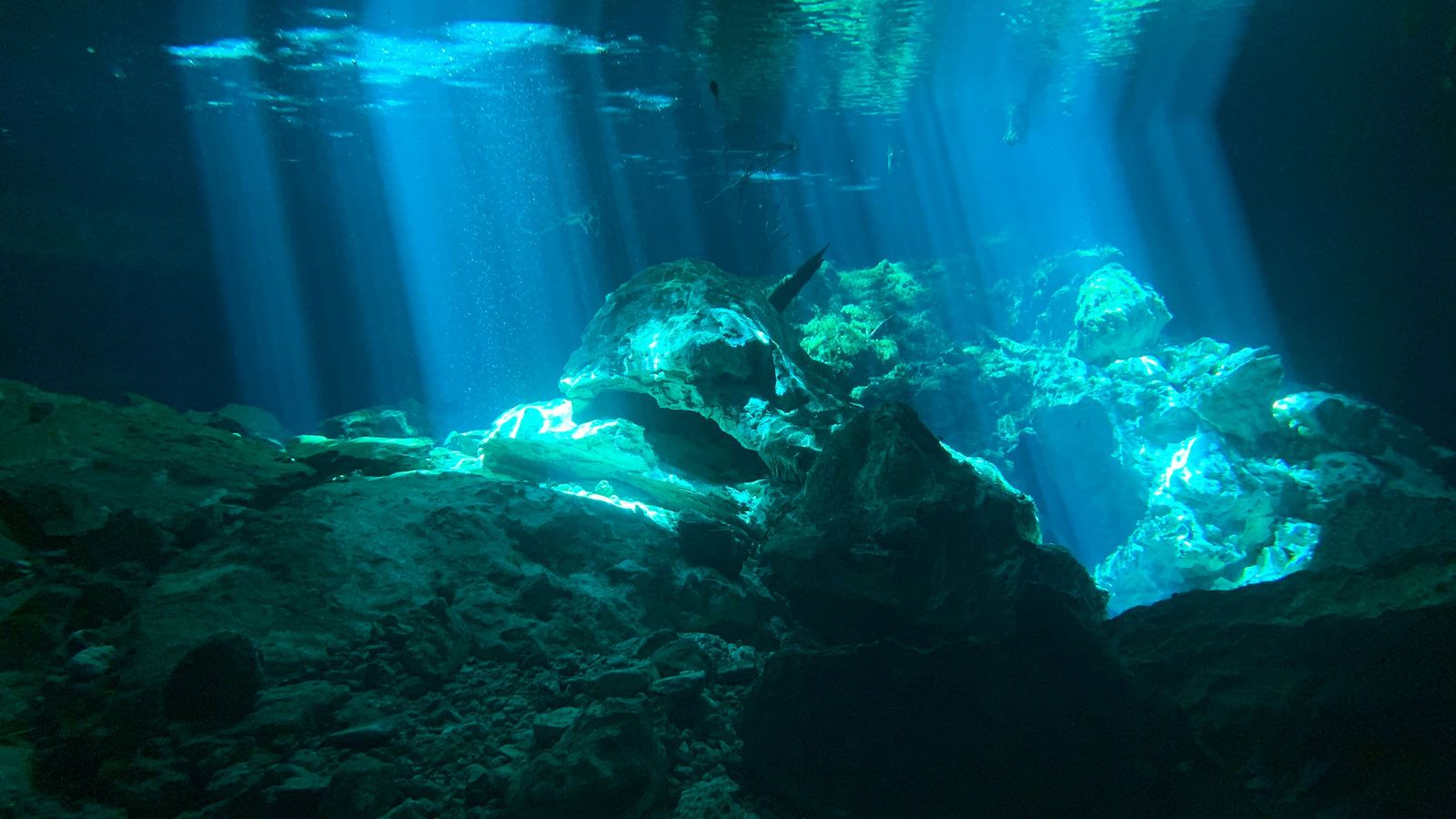
A lens for learning
No screen can show exactly what another species experiences. Our simulations are educational approximations, informed by vision science — not literal views through an animal’s eyes.
How we build our perspectives